
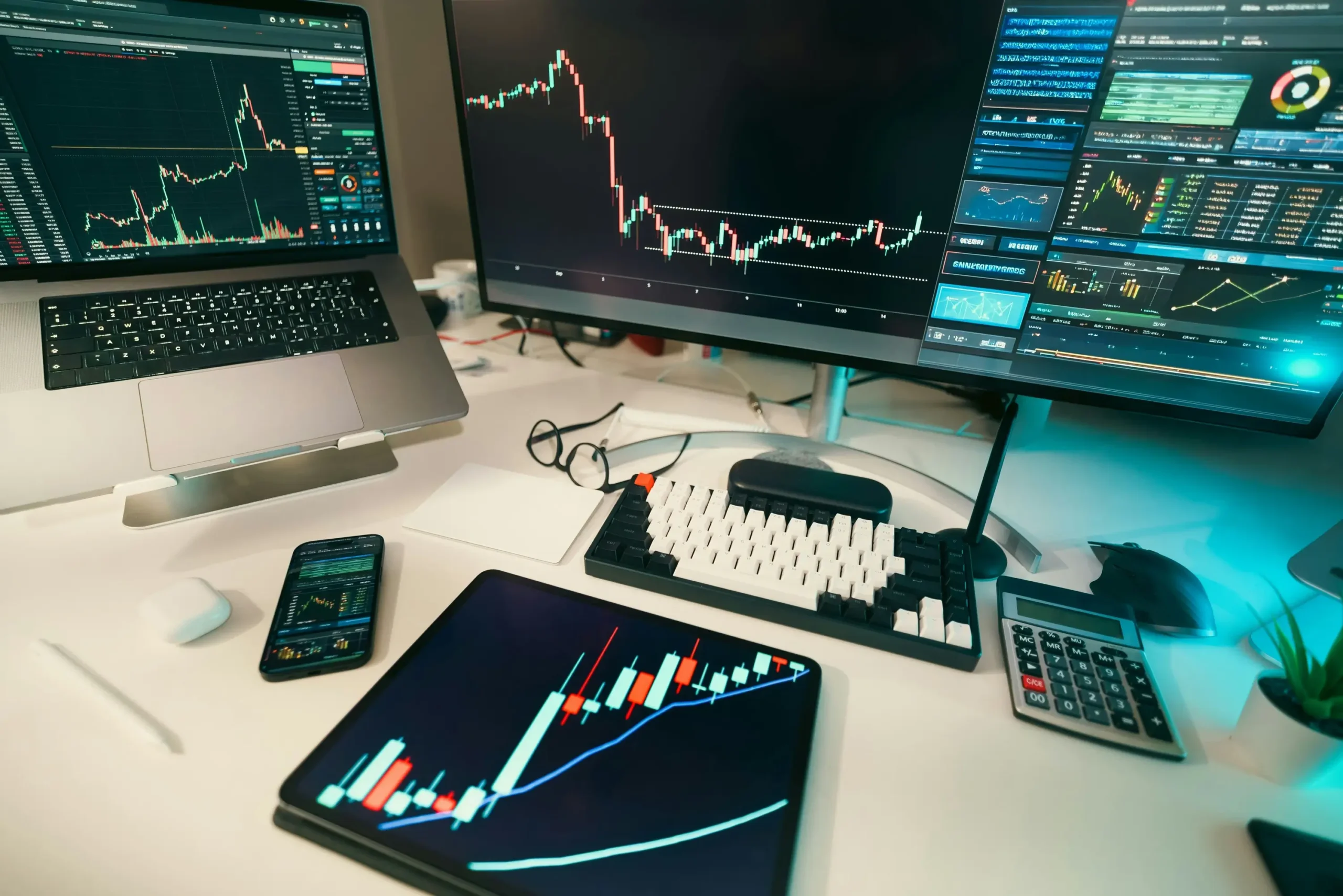
L’analyse technique est une méthode utilisée par les traders pour étudier les mouvements de prix et identifier des opportunités de trading potentielles. Au lieu de se concentrer sur les actualités ou la performance des entreprises, l’analyse technique s’appuie sur les graphiques, les figures et les données historiques des prix afin de comprendre le comportement du marché. Cette approche est largement utilisée sur de nombreux marchés, car l’évolution des prix reflète le sentiment collectif des acteurs du marché. Pour les débutants, l’analyse technique offre une méthode structurée pour interpréter les marchés sans nécessiter de connaissances économiques approfondies. Comprendre les bases aide les traders à développer de la constance et de la confiance dans leurs décisions.
Comment fonctionne l’analyse technique
L’analyse technique repose sur l’idée que les mouvements de prix ont tendance à suivre des schémas et des tendances au fil du temps. Les traders analysent les graphiques pour observer la réaction des prix à certains niveaux et l’évolution de la dynamique du marché. En étudiant le comportement historique des prix, ils cherchent à anticiper les mouvements futurs plutôt que d’y réagir après coup. Cette méthode ne garantit pas de résultats, mais elle permet de travailler avec des probabilités plutôt qu’avec des suppositions. Apprendre comment fonctionne l’analyse technique offre aux débutants un cadre pour prendre des décisions éclairées.
Comprendre les graphiques de prix
Les graphiques de prix constituent la base de l’analyse technique. Ils représentent visuellement l’évolution des prix dans le temps et aident les traders à identifier les tendances, les phases de consolidation et les retournements. Les types de graphiques les plus courants sont les graphiques en ligne, les graphiques en barres et les graphiques en chandeliers, ces derniers étant les plus utilisés en raison de la quantité d’informations qu’ils fournissent. Les graphiques permettent de visualiser clairement la structure du marché plutôt que de se fier à l’intuition. Être à l’aise avec la lecture des graphiques est une étape clé pour tout trader débutant.
Concepts clés de l’analyse technique
Plusieurs concepts fondamentaux reviennent fréquemment en analyse technique et constituent la base de la plupart des stratégies. Les comprendre permet d’interpréter les mouvements de prix de manière plus efficace.
Les concepts importants de l’analyse technique incluent :
- Les tendances et leur direction
- Les niveaux de support et de résistance
- La dynamique du marché
- Les phases de consolidation et les cassures
Ces éléments fonctionnent ensemble pour donner du contexte à l’évolution des prix. Lorsqu’un trader comprend leurs interactions, les graphiques deviennent plus lisibles et moins intimidants.
Indicateurs techniques courants expliqués
Les indicateurs techniques sont des outils qui traitent les données de prix afin de mettre en évidence des signaux ou des conditions potentielles. Les débutants utilisent souvent les indicateurs pour confirmer ce qu’ils observent déjà sur les graphiques plutôt que de s’y fier exclusivement. Les indicateurs peuvent mesurer la dynamique, la volatilité ou la force d’une tendance selon leur conception. Bien qu’ils puissent être utiles, en utiliser trop crée souvent de la confusion. Il est plus efficace d’apprendre à maîtriser quelques indicateurs de base que d’en utiliser beaucoup sans les comprendre.
Parmi les indicateurs adaptés aux débutants, on retrouve :
- Les moyennes mobiles
- L’indice de force relative
- La convergence et divergence des moyennes mobiles
- Les indicateurs de volume
Les indicateurs fonctionnent mieux lorsqu’ils sont utilisés en complément de l’analyse des prix. Ils soutiennent l’analyse mais ne remplacent pas la compréhension des graphiques.
Horizons temporels et perspective de trading
L’analyse technique peut être appliquée à toutes les unités de temps, de quelques minutes à plusieurs mois. Les horizons courts offrent plus de détails mais aussi plus de bruit, tandis que les horizons longs présentent des tendances plus claires. Les débutants bénéficient souvent de l’utilisation de périodes plus longues, car les figures sont plus faciles à identifier et la pression émotionnelle est moindre. Choisir une unité de temps adaptée à son mode de vie et à son niveau de patience est essentiel. Le choix de l’horizon temporel aide à aligner l’analyse avec des attentes réalistes.
Forces et limites de l’analyse technique
L’analyse technique apporte de la structure et de la répétabilité, ce qui séduit de nombreux traders. Elle permet d’analyser différents marchés en utilisant les mêmes outils et principes. Cependant, elle ne permet pas de prévoir les événements imprévus ou les annonces majeures. L’analyse technique est plus efficace lorsque les traders acceptent ses limites et l’utilisent comme un guide plutôt que comme une certitude. Comprendre à la fois ses forces et ses faiblesses favorise une prise de décision équilibrée.
Erreurs courantes des débutants en analyse technique
Les débutants rencontrent souvent des difficultés en compliquant excessivement leurs graphiques ou en attendant des indicateurs qu’ils prédisent l’avenir. Une autre erreur fréquente consiste à changer d’outils trop souvent sans laisser le temps aux stratégies de se développer. L’analyse technique nécessite de la patience et de la répétition pour devenir efficace. Éviter ces erreurs permet aux traders de renforcer leur confiance progressivement sans se décourager. La simplicité conduit souvent à de meilleurs résultats que la complexité.
Les erreurs fréquentes des débutants incluent :
- L’utilisation excessive d’indicateurs
- L’ignorance des unités de temps supérieures
- Les réactions excessives aux petits mouvements de prix
- L’attente de signaux parfaits
Reconnaître ces comportements tôt permet de progresser plus rapidement et avec moins de frustration.
Vue d’ensemble de l’analyse technique pour débutants
Le tableau ci-dessous résume les éléments clés de l’analyse technique pour les nouveaux traders.
| Aspect | Compréhension pour débutants |
| Focus | Mouvement des prix et figures |
| Outils | Graphiques et indicateurs |
| Application | Fonctionne sur tous les marchés |
| Courbe d’apprentissage | Progressive avec la pratique |
| Meilleure approche | Simple et cohérente |
Cette vue d’ensemble rappelle que l’analyse technique est une compétence qui se développe avec l’expérience. La constance est plus importante que la complexité.
Conclusion
L’analyse technique offre aux traders une méthode pratique pour comprendre le comportement des marchés à partir des données de prix. Pour les débutants, elle apporte structure, clarté et un processus reproductible pour la prise de décision. Bien qu’elle n’élimine pas le risque, elle aide à gérer l’incertitude de manière plus efficace. En gardant une approche simple et en se concentrant sur la régularité, les traders peuvent progressivement développer leur confiance et leur capacité d’adaptation sur tous les marchés qu’ils choisissent de trader.
Laisser un commentaire