
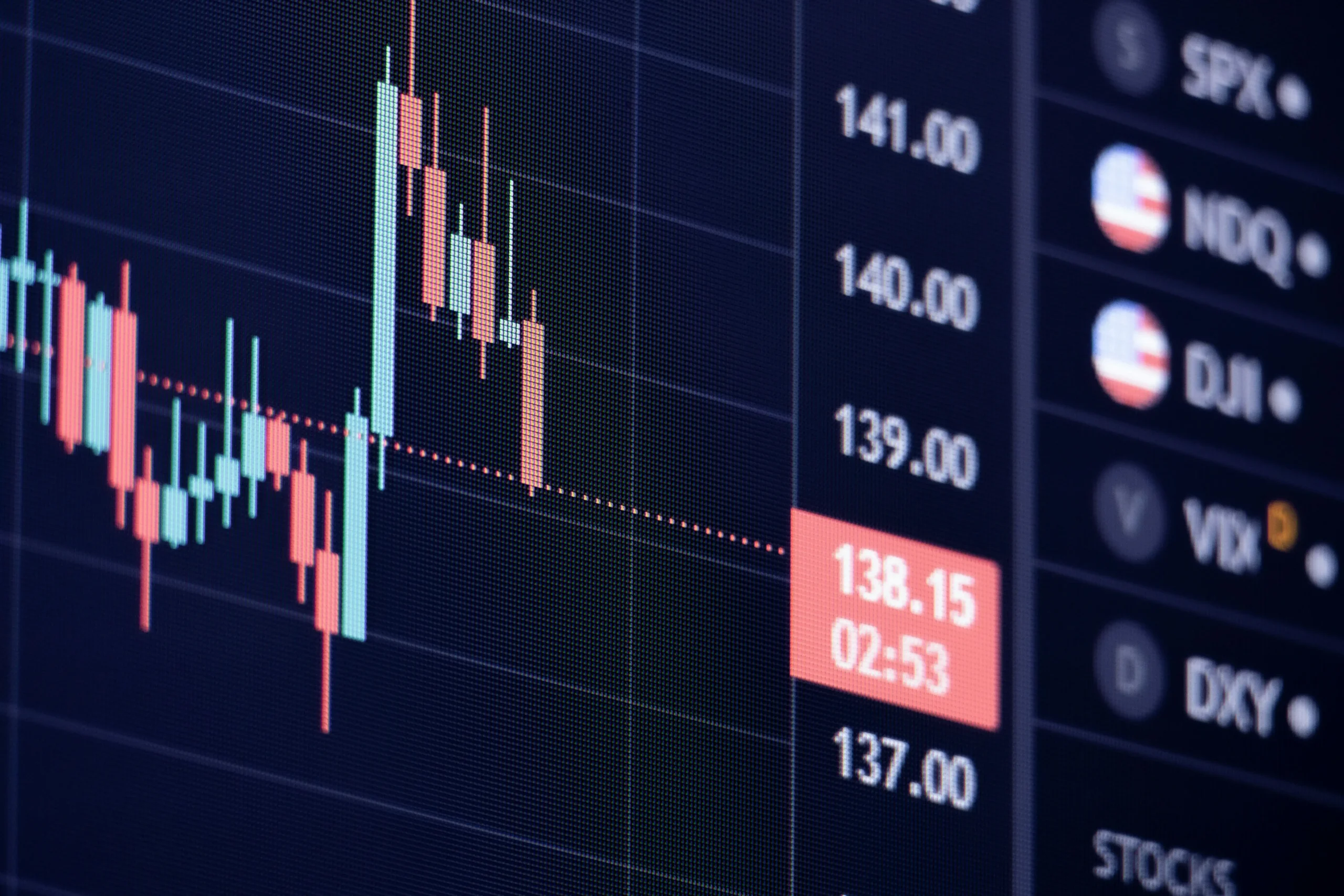
Cryptocurrency markets are known for rapid price changes that can surprise new and experienced traders alike. Unlike traditional markets, crypto assets often experience sharp movements within short periods, creating both opportunity and risk.
For anyone learning how to invest crypto or trade digital assets actively, understanding volatility is essential. Price movement is not random, but it is influenced by a unique combination of factors that differ from stocks or forex.
Recognising volatility as a normal feature of crypto markets helps traders approach decisions with patience and structure rather than emotion.
Why Cryptocurrency Prices Move So Quickly
Crypto prices move quickly because the market is highly sensitive to news, sentiment, and liquidity changes. Unlike traditional markets, crypto trading operates continuously, which allows reactions to happen instantly.
Many traders search for explanations during downturns, often asking why are crypto crashing when prices drop sharply. These periods are usually linked to broader economic uncertainty, regulatory news, or shifts in investor confidence rather than a single event.
At other times, traders question why crypto isz crashing even when adoption appears strong. In many cases, market corrections occur after extended price increases as traders take profits.
Understanding these dynamics helps traders stay calm during sudden movements and avoid impulsive decisions.
The Role of Market Cycles in Crypto Trading
Crypto markets tend to move in cycles that include growth phases, corrections, consolidation, and renewed momentum. These cycles are influenced by investor psychology as much as fundamentals.
Beginner traders often misinterpret short-term declines as permanent trends. Learning to recognise market cycles helps put price movement into context.
Key characteristics of crypto market cycles include:
- Periods of rapid growth driven by optimism
- Corrections following extended rallies
- Sideways movement during uncertainty
- Renewed interest as sentiment improves
Recognising cycles allows traders to align expectations with reality. It encourages planning rather than reactive trading.
Volatility Compared to Other Financial Markets
Crypto volatility is generally higher than that seen in stocks, indices, or major currency pairs. This difference explains why price changes can feel more intense for new traders.
While stock markets often move based on company performance and scheduled events, crypto markets react quickly to sentiment shifts. This makes timing and risk management especially important.
Key differences between crypto and traditional markets include:
- Continuous trading without a market close
- Greater influence of retail participation
- Faster reaction to global news
- Higher short-term price swings
Understanding these differences helps traders choose appropriate strategies. It also reinforces why crypto trading requires a disciplined approach.
How Traders Can Manage Crypto Volatility
Managing volatility is a core skill for anyone trading or investing in cryptocurrencies. Without a plan, price swings can lead to emotional decisions and unnecessary losses.
Successful traders focus on protecting capital rather than reacting to every movement. Clear rules create consistency even in unstable conditions.
Practical ways traders manage volatility include:
- Using smaller position sizes
- Setting stop loss and take profit levels
- Avoiding overtrading during sharp moves
- Focusing on higher-liquidity assets
These practices help traders remain objective. Over time, discipline becomes more important than predicting direction.
Choosing Which Crypto to Trade During Volatile Markets
A common question during unstable periods is what crypto to buy right now. While the question is understandable, focusing solely on timing can distract from strategy. During high volatility, many traders prefer established cryptocurrencies with strong liquidity. These assets tend to behave more predictably than smaller tokens.
Rather than repeatedly asking what crypto to buy right now, traders benefit from defining criteria based on risk tolerance and market conditions. Consistency often outperforms impulse. This approach supports clearer decision-making during uncertain periods.
Volatility and Long-Term Crypto Investing
Volatility does not only affect short-term traders. Long-term investors also experience price fluctuations that test patience and confidence.
Those learning how to invest in crypto often struggle during downturns, especially when prices move against expectations. Understanding that volatility is part of long-term growth helps maintain perspective.
Long-term investors typically manage volatility by:
- Investing gradually over time
- Avoiding emotional reactions to short-term drops
- Focusing on fundamentals rather than noise
- Reviewing portfolios periodically
This mindset reduces stress and improves long-term consistency. It encourages strategy over speculation.
Crypto Volatility Overview at a Glance
The table below summarises key aspects of crypto volatility that traders should understand.
| Aspect | Trader Insight |
| Market Hours | Continuous trading |
| Volatility Level | Higher than traditional markets |
| Key Drivers | Sentiment, news, liquidity |
| Risk Profile | Manageable with discipline |
| Best Approach | Planning over prediction |
This overview highlights why preparation matters. Volatility becomes more manageable when traders understand its nature.
Wrapping Up
Crypto market volatility is not a flaw but a defining characteristic of digital assets. Traders who understand this reality are better equipped to navigate price movement with confidence.
Whether trading actively or learning how to invest crypto long term, success depends on discipline, risk management, and realistic expectations. Volatility rewards those who remain patient and structured.
By viewing volatility as part of the process rather than a threat, traders can make more informed decisions and build sustainable strategies.
Leave a Reply